
Illegal drugs can appear in many different forms. Some are sold as dried plant material, powders, crystals, rocks, paper squares or tablets. Even the same drug can vary considerably in colour, texture and appearance.
The photographs on this page are representative examples only. You cannot reliably identify an unknown substance from its appearance or from a photograph. Illicit drugs may contain other substances that cannot be seen, including fentanyl, and tablets sold illegally may not contain what their markings suggest. DEA
If you find an unknown substance, do not taste, smell or consume it in an attempt to identify it.
Marijuana
Marijuana is the dried material of the cannabis plant. It commonly appears as a shredded or loose mixture of green, brown or grayish plant material, including flowers and leaves. Its appearance varies according to the plant and how it has been grown and processed.
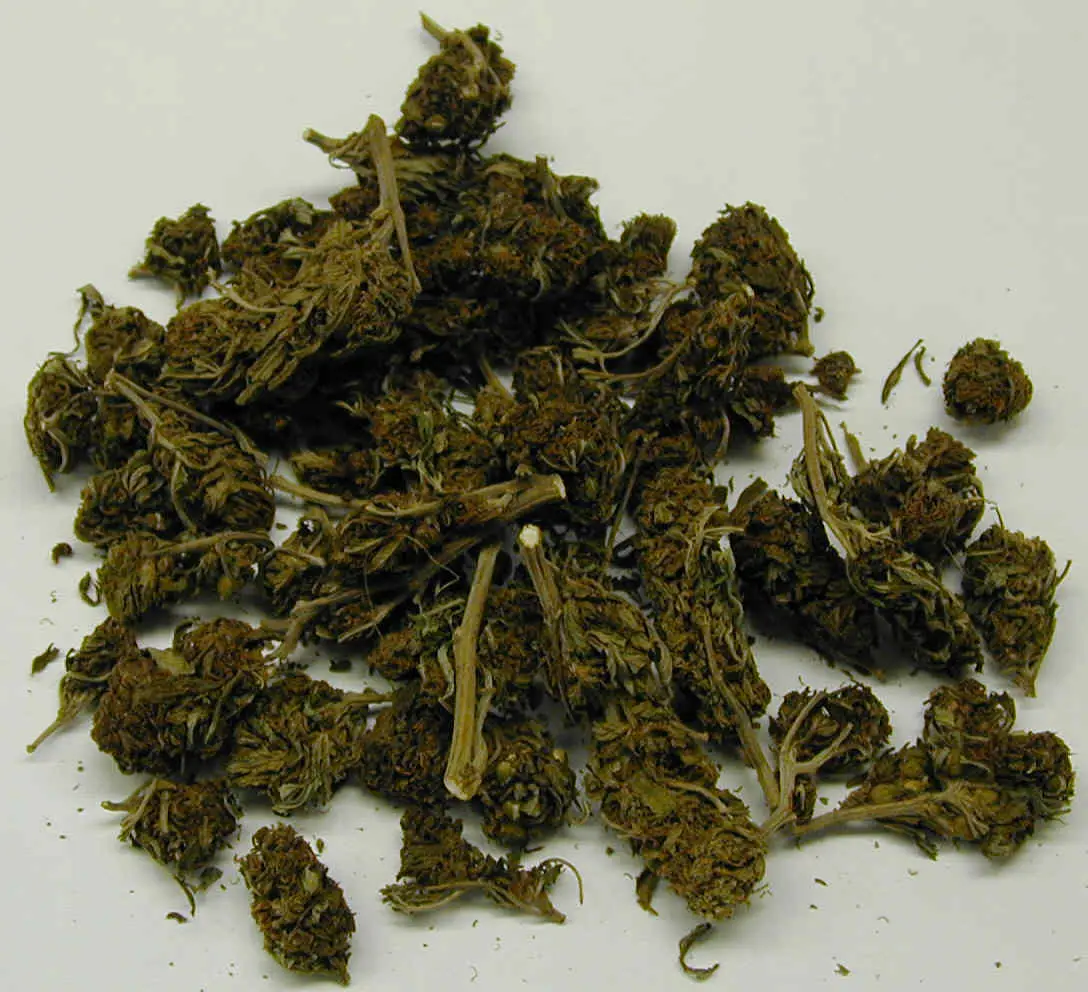
Marijuana (cannabis) — representative image. Source: U.S. Drug Enforcement Administration.
Related: Cannabis
Hashish
Hashish, often called hash, is made from the resinous material of the cannabis plant. Unlike loose marijuana, it is generally compressed into a solid form. It can appear as small chunks, balls, cakes or flattened pieces and can vary considerably in colour and texture.
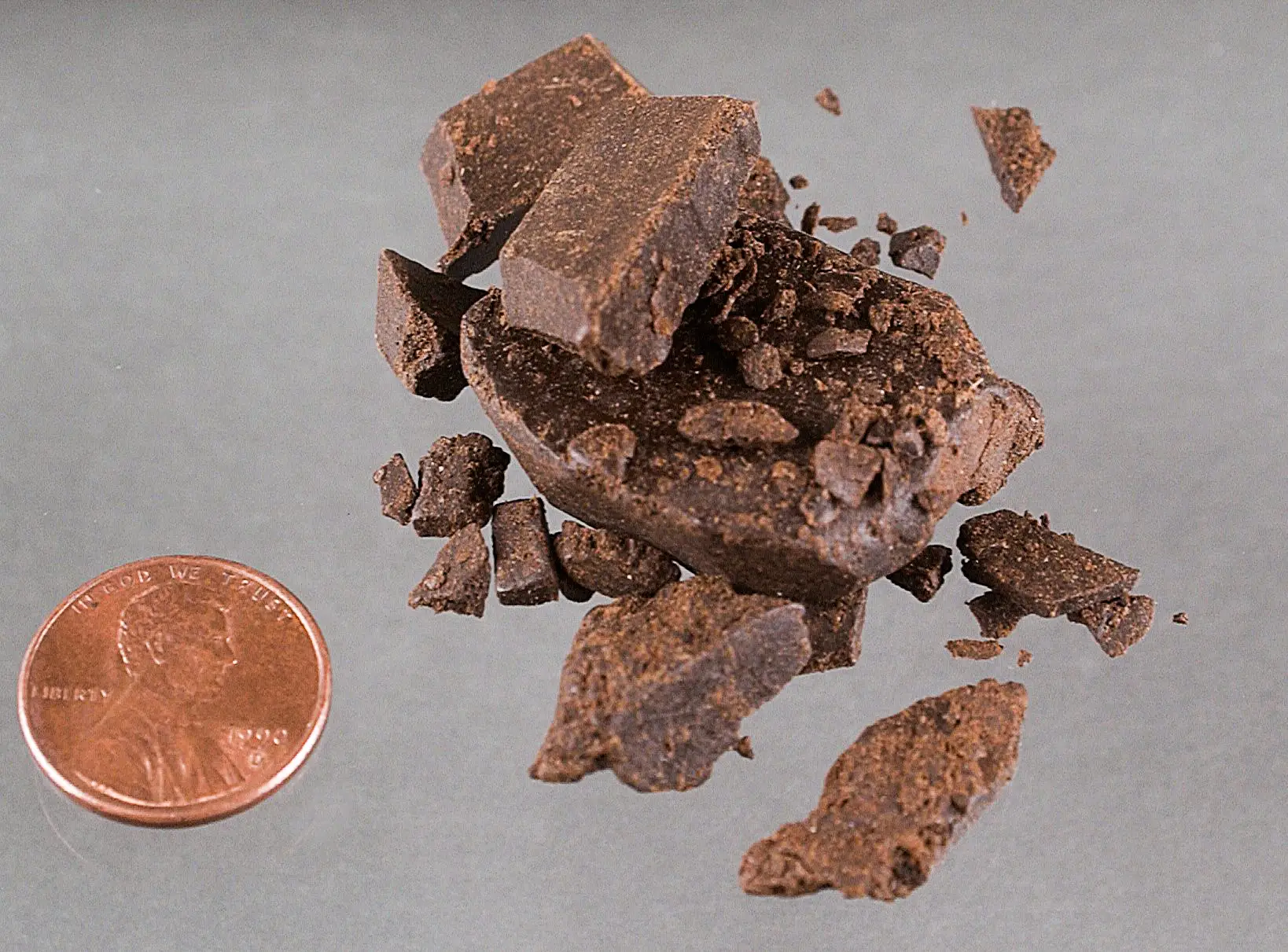
Hashish (cannabis resin) — representative image. Source: U.S. Drug Enforcement Administration.
Hashish appears repeatedly in Reggie’s writings and was particularly significant during his younger years.
Related: Cannabis
Cocaine Powder
Cocaine commonly appears as a white crystalline powder, although its colour and texture can vary. A powder’s appearance alone cannot establish that it is cocaine or reveal what else may be mixed with it.
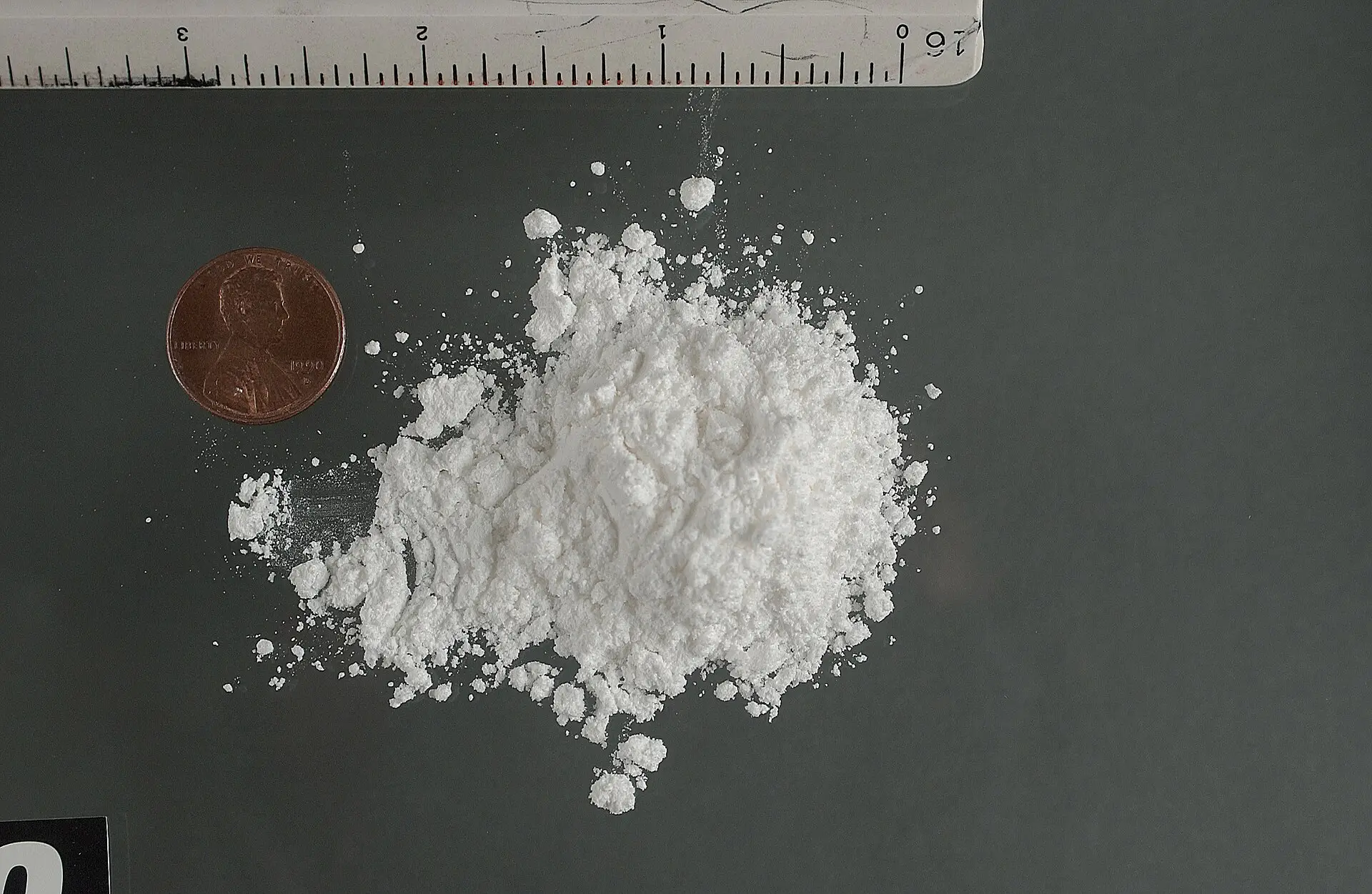
Cocaine powder — representative image. Source: U.S. Drug Enforcement Administration.
Related: Cocaine
Crack Cocaine
Crack is a form of cocaine base. Rather than a loose powder, it typically appears as small, irregularly shaped rocks or chunks, often white or off-white.
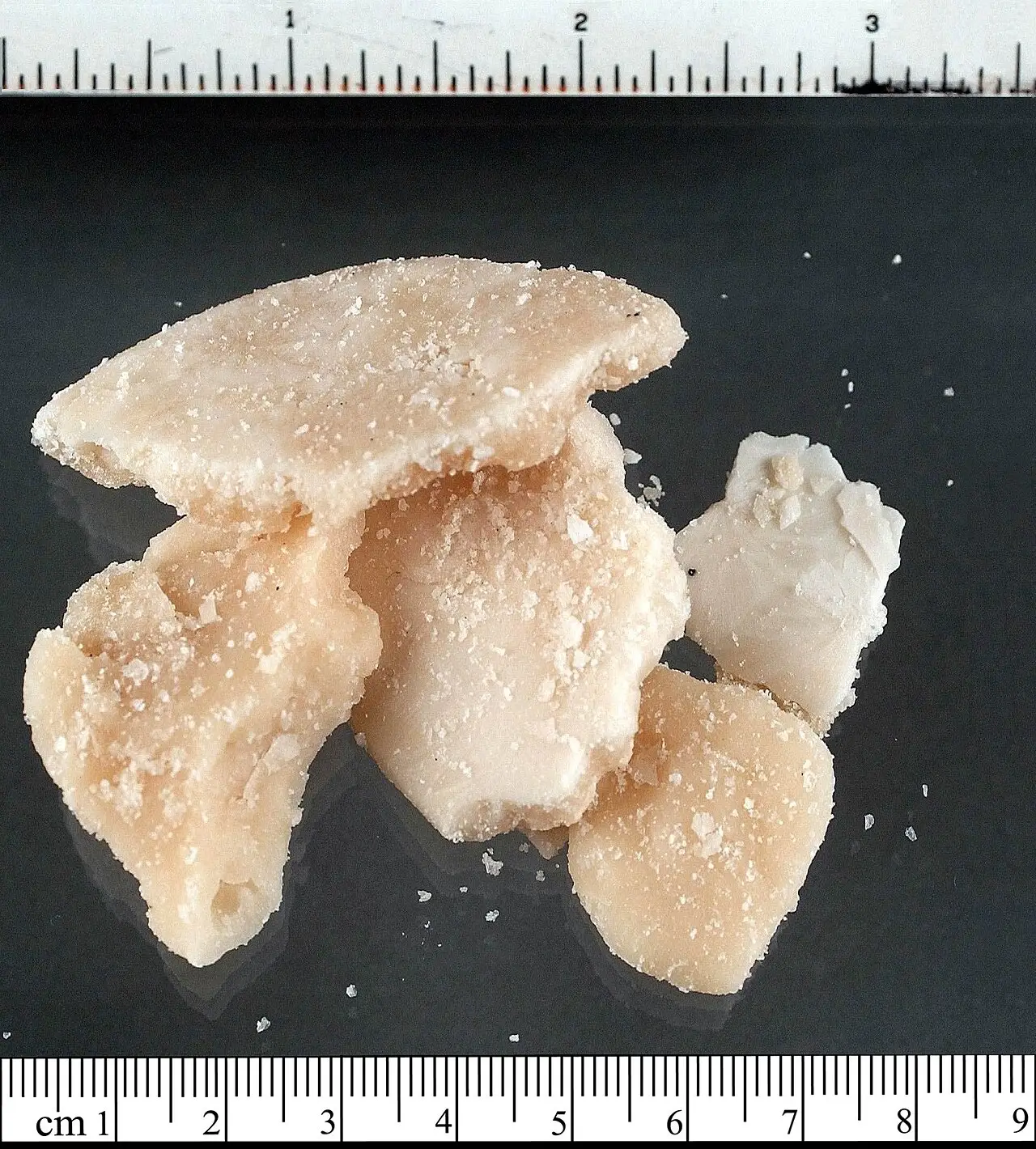
Crack cocaine — representative image. Source: U.S. Drug Enforcement Administration.
Related: Cocaine
Heroin
Heroin does not have one consistent appearance. Depending upon its source and processing, it may appear as a powder or granular material in shades ranging from white or off-white to tan or brown.
This variation is one reason an unknown powder should never be identified simply by looking at it. Illicit fentanyl has also been found mixed with heroin and other street drugs.
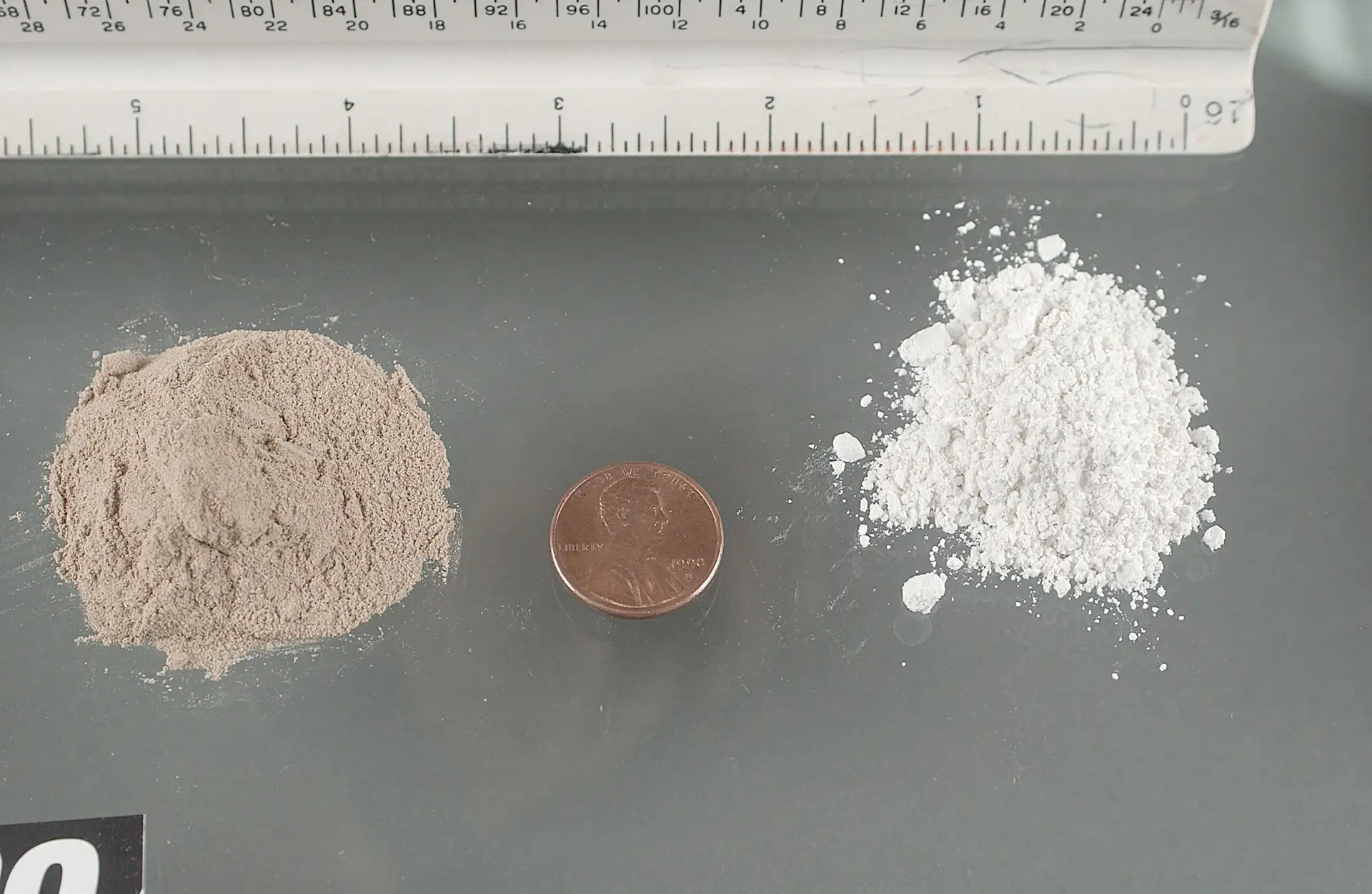
Heroin — representative forms and appearances. Source: U.S. Drug Enforcement Administration.
Related: Opioids
Crystal Methamphetamine
Crystal methamphetamine commonly appears as clear, white or bluish-white crystalline pieces that can resemble fragments of glass or coarse crystals. Methamphetamine may also occur in other forms, so this appearance is not universal.
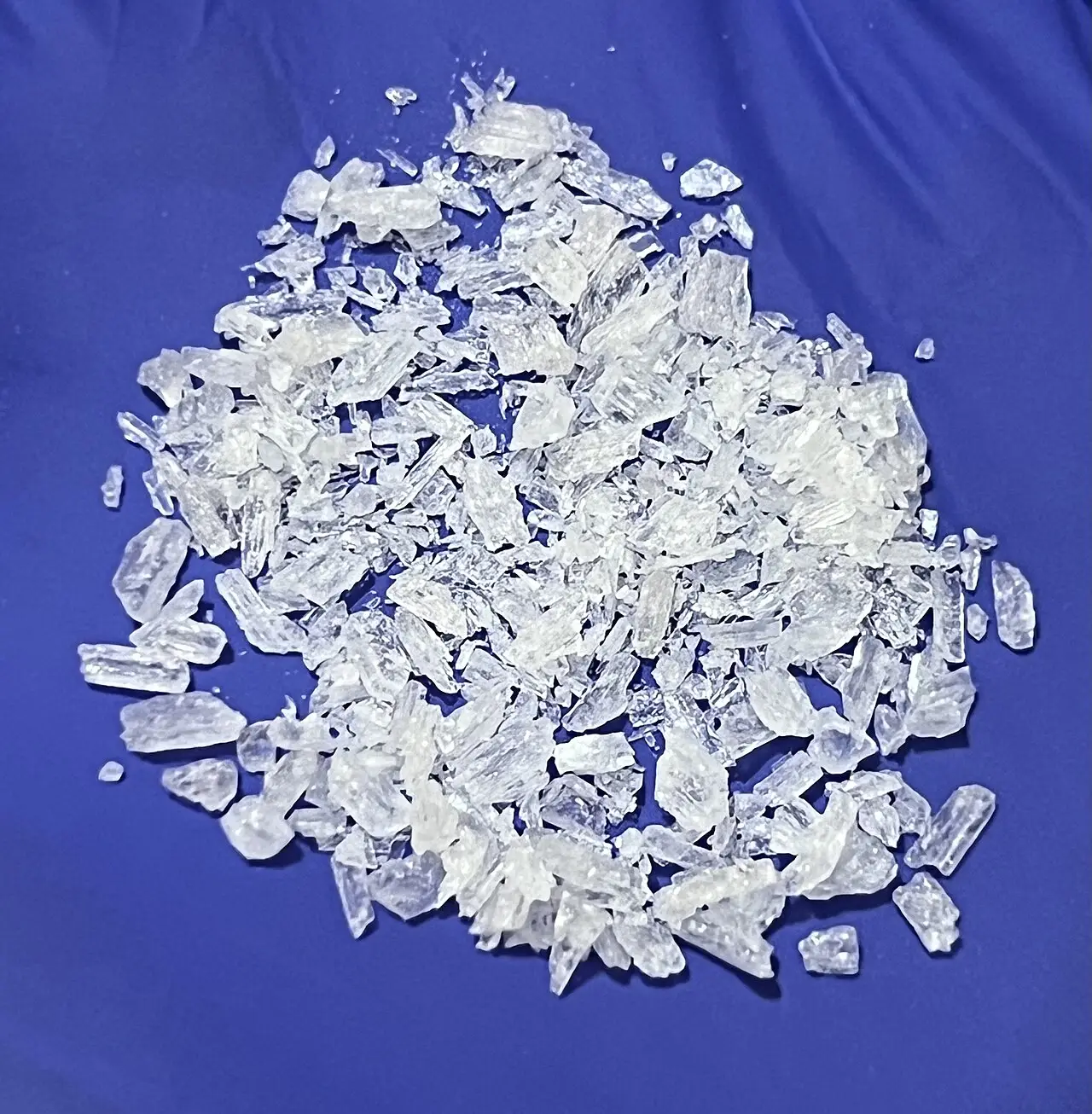
Crystal methamphetamine — representative image. Appearance can vary.
Related: Stimulants
LSD
LSD can be distributed in several forms, but one of the most recognizable is blotter paper: absorbent paper divided into very small squares, sometimes printed with colourful designs, patterns or cartoon-like images. An individual square is typically only about ¼ inch (6 mm) across—small enough to sit easily on a fingertip. USSC Guidelines
The paper is treated with a liquid solution containing LSD, which is absorbed into the blotter. Individual squares are then separated from the larger sheet. The amount of LSD present in a square can vary, so the size or appearance of a piece of blotter paper does not indicate its strength. DEA describes blotter as typically being perforated, soaked with an LSD solution and dried, with each square representing a dose.
On some blotter paper, you may notice discolouration or staining, but this is not a reliable way to determine whether the paper contains LSD or how much may be present.
The design printed on blotter paper—and any visible staining—does not establish what substance it contains or its dosage. DEA has documented other hallucinogens being sold on blotter paper as LSD.
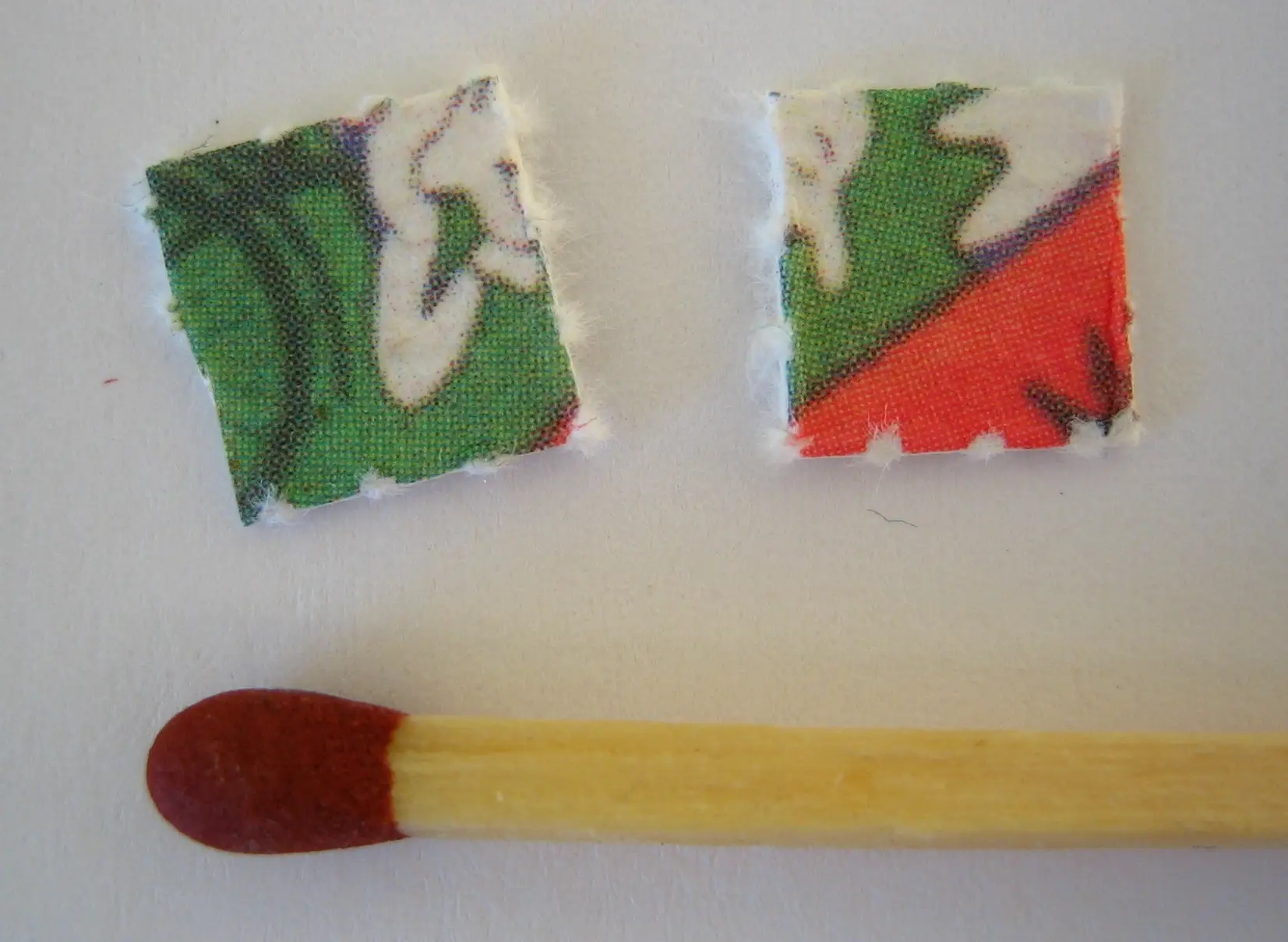
LSD blotter paper — representative image. Appearance and designs can vary.
Related: Psychedelics
Psilocybin Mushrooms
Psilocybin occurs naturally in certain species of mushrooms. They may be encountered fresh or dried, and their appearance varies substantially between species and after drying. DEA
Many ordinary mushrooms can also be difficult to distinguish from one another. A photograph should never be used to decide whether an unknown mushroom is safe to consume.
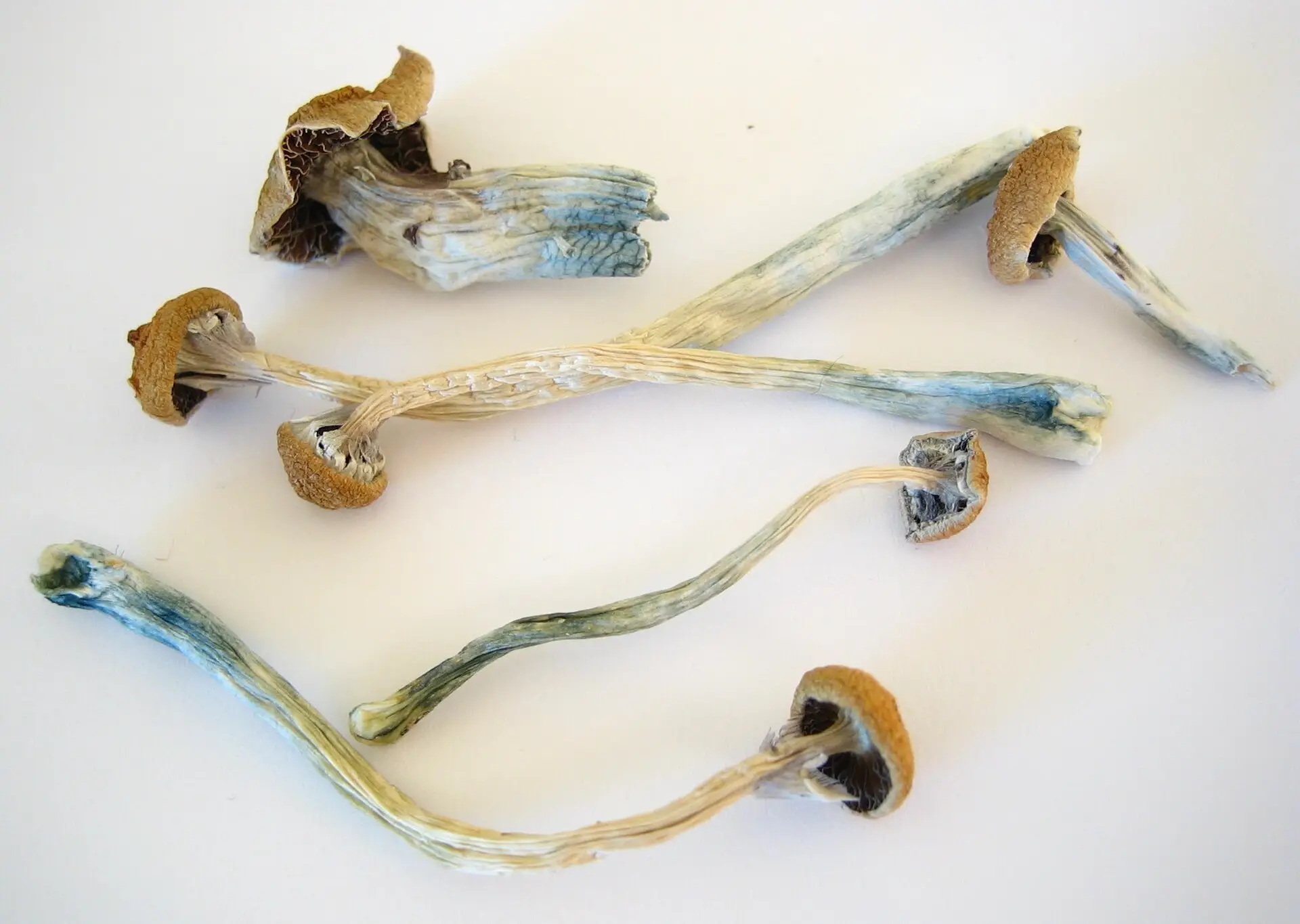
Dried psilocybin mushrooms — representative image. Appearance can vary.
Related: Psychedelics
Ecstasy / MDMA
Ecstasy is commonly encountered as tablets, often produced in different colours, shapes and stamped designs. MDMA may also appear in other forms.
Unlike legitimate prescription medications, however, a logo, colour or tablet shape does not establish what an illegally obtained tablet actually contains. Drugs sold as Ecstasy may contain MDMA, other substances, or combinations of substances.
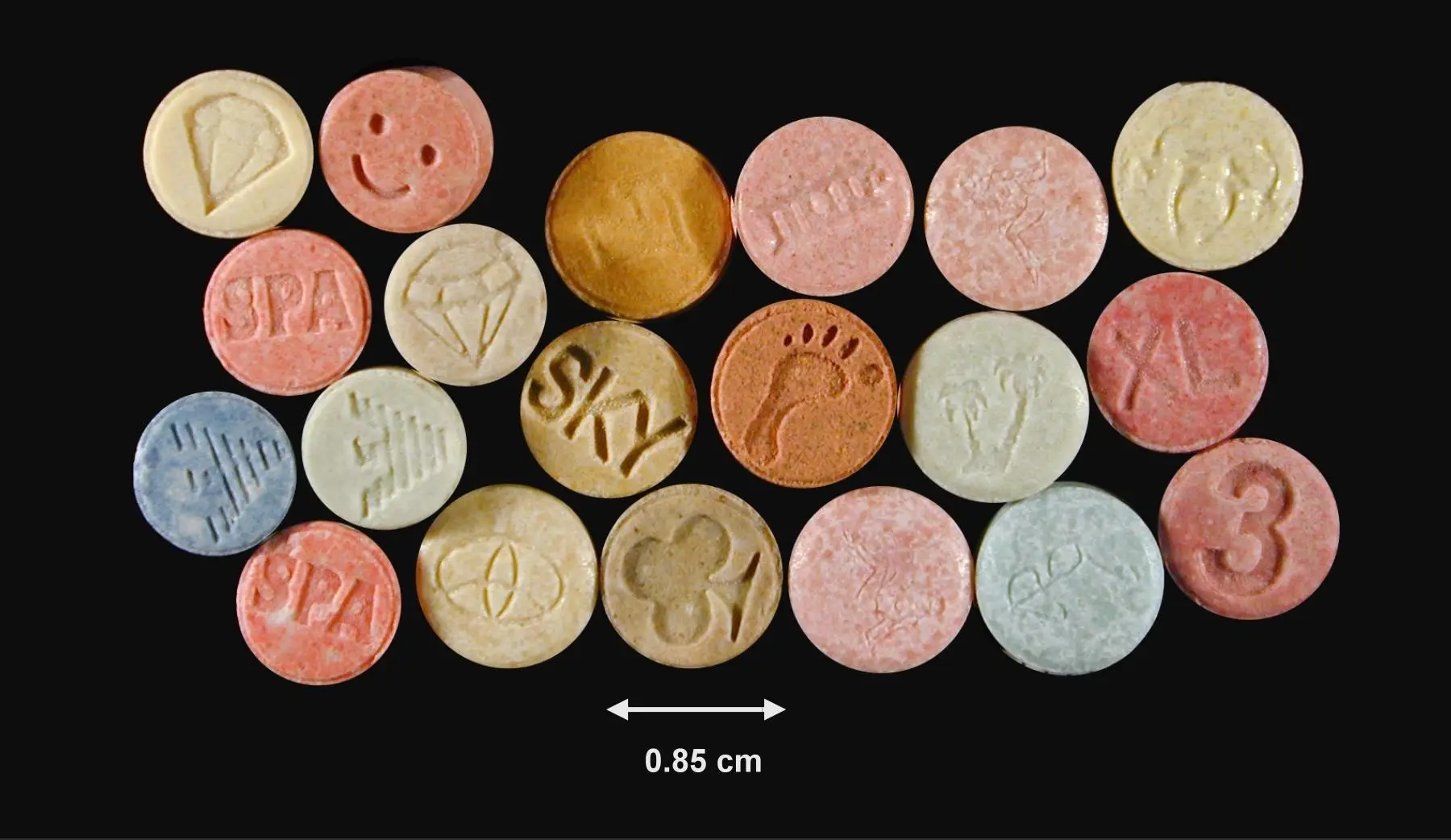
Tablets sold as Ecstasy/MDMA — representative image. Source: U.S. Drug Enforcement Administration.
Related: Ecstasy / MDMA
Appearance Is Not Identification
The photographs on this page can help someone recognize the general forms in which common street drugs may appear. They cannot tell you what an unknown substance actually contains.
This has become especially important with the spread of illicit fentanyl and counterfeit drugs. DEA warns that fentanyl may be mixed with heroin, cocaine and methamphetamine, and that its presence cannot be determined simply by looking at the drug.
Prescription and counterfeit pills present a somewhat different problem. Legitimate medications have identifiable shapes, colours and markings, but counterfeit tablets can be manufactured to closely resemble them. For that reason, we cover pills separately.
Continue to: What Do Prescription Drugs Look Like?
Related information: Drug Paraphernalia & Warning Signs · Warning Signs of Drug Use · How to Get Help