
Drug Paraphernalia & What You May Find
Families unfamiliar with drugs may not recognize objects associated with their use. Digital scales, small plastic bags, unfamiliar pipes, loose pills or altered household items can raise questions, particularly when found alongside unexplained changes in behaviour.
The checklist below follows the same categories as our illustrated reference, Drug Paraphernalia & Warning Signs. Many of these objects have legitimate uses, so their presence alone does not establish drug use.
Objects to Watch For
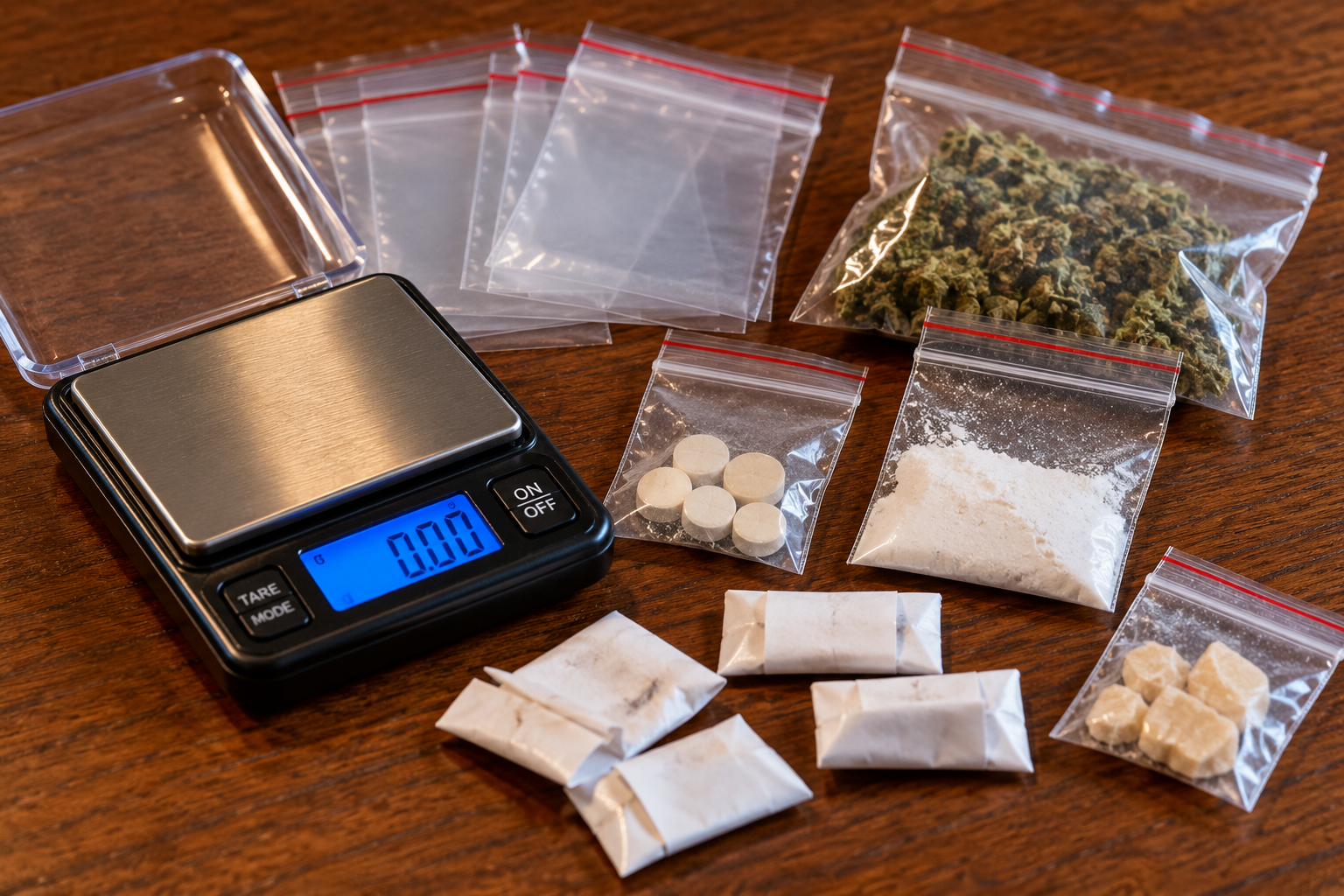
- Small digital scales, folded paper packets or numerous small plastic bags
- Pipes, water pipes or unfamiliar smoking devices
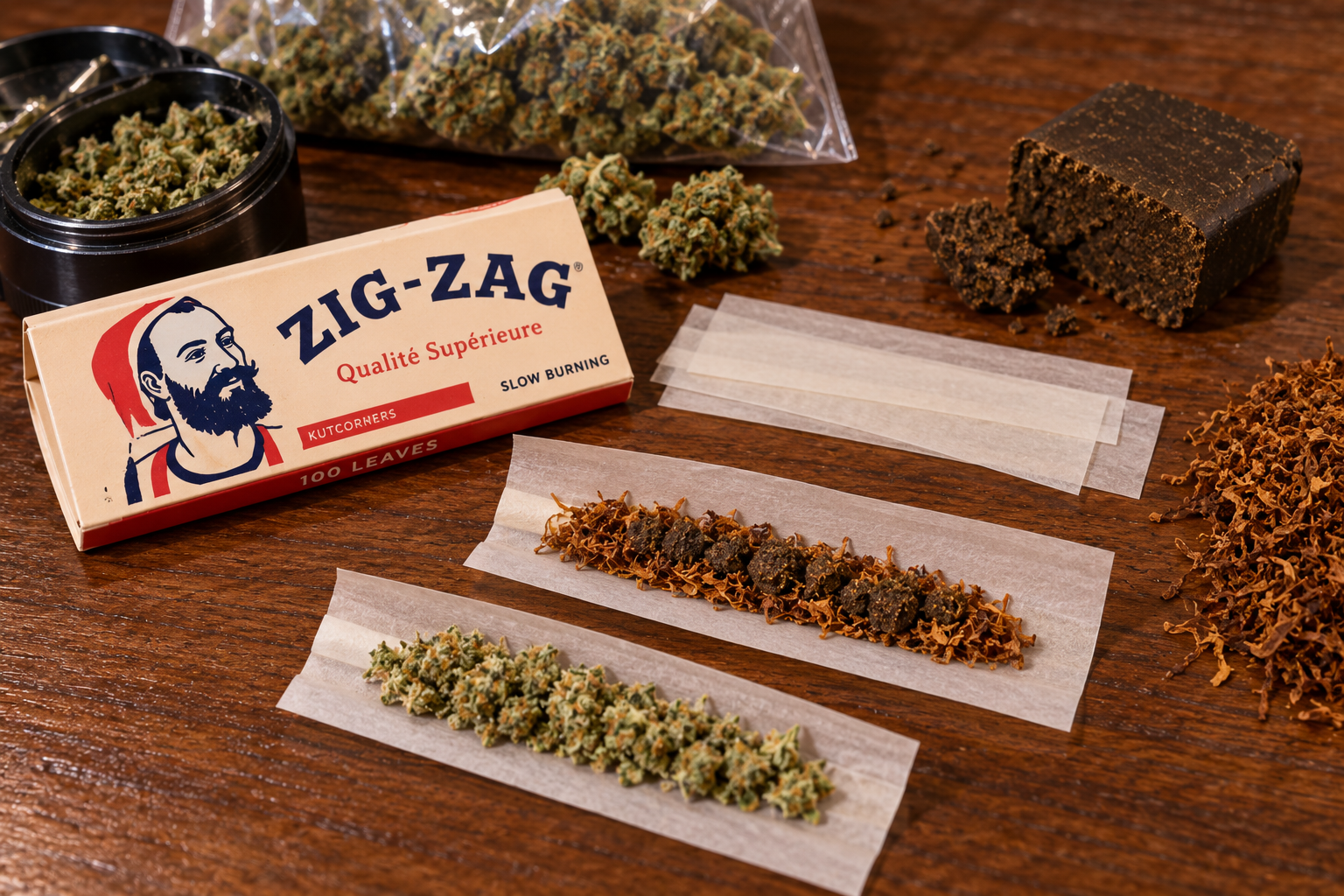
- Rolling papers or smoking-related accessories
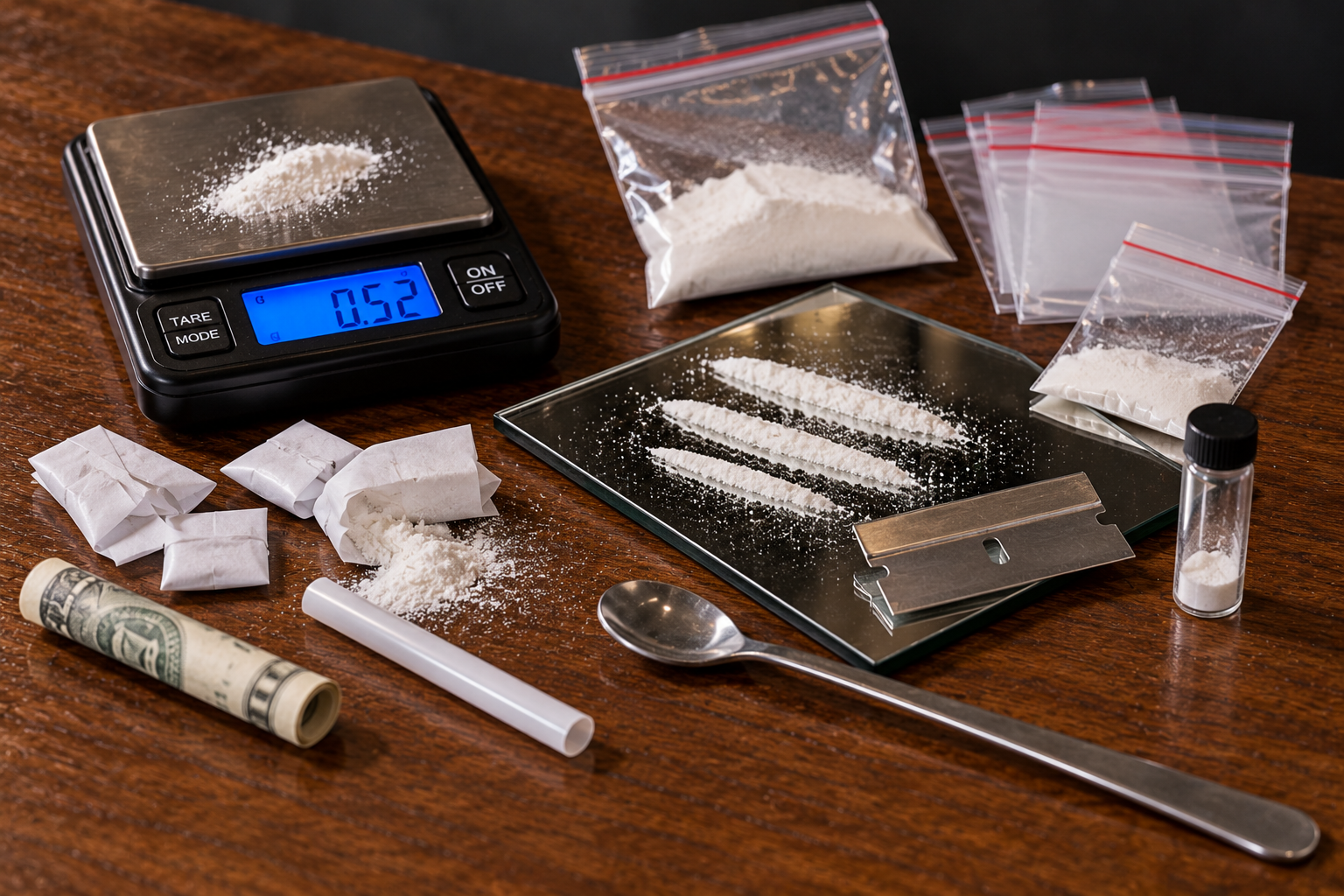
- Short straws, tubes or small flat surfaces found alongside unexplained powders or residue
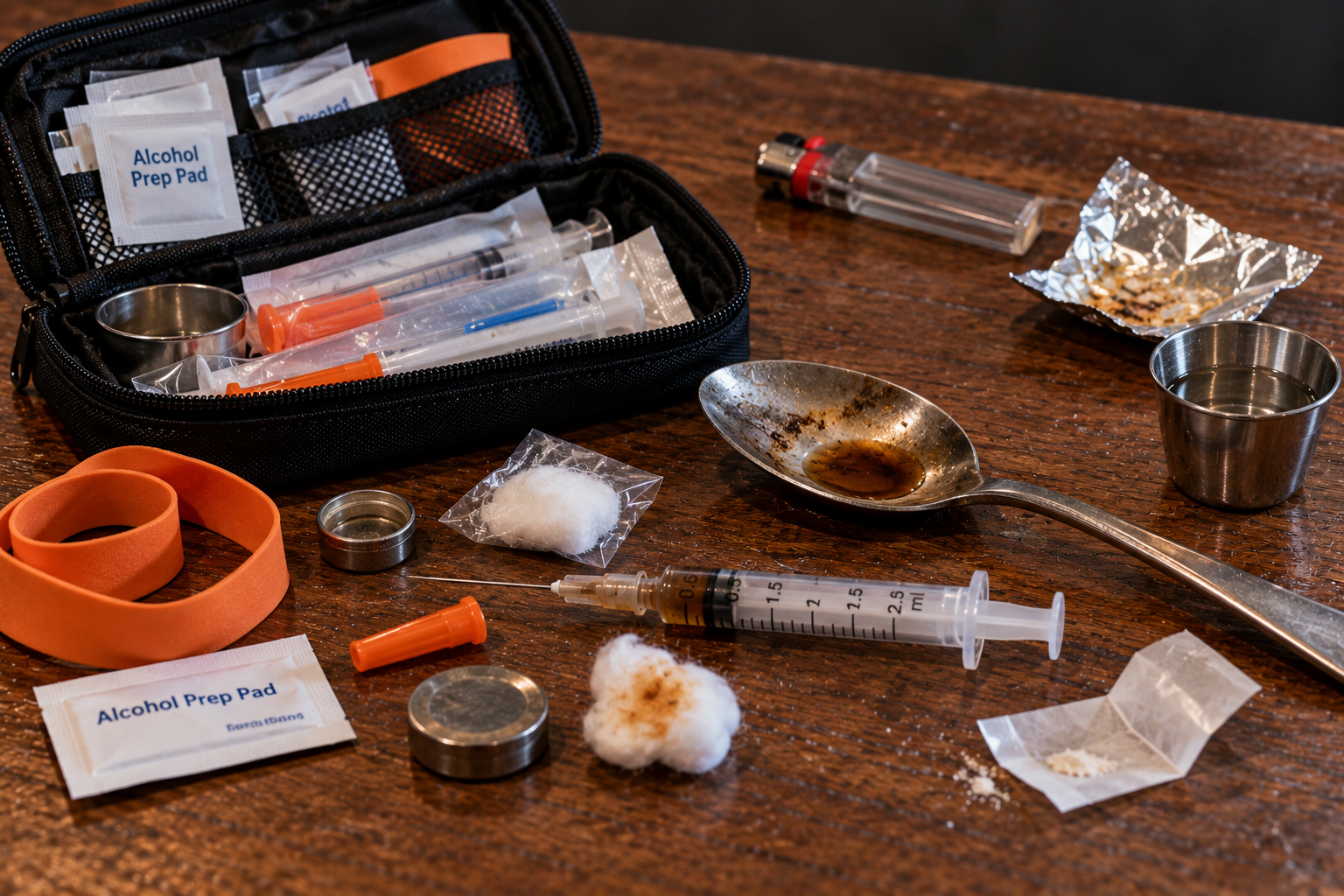
- Unexplained syringes or injection equipment
- Loose pills, medications belonging to someone else or unexpectedly empty prescription containers
- Burned or altered household objects, including foil, knives or spoons
- Unfamiliar containers, recurring residues or unexplained changes to household belongings
For photographs and explanations of these objects, see the illustrated Drug Paraphernalia & Warning Signs page.
Measuring and Packaging
Small digital scales, plastic bags, folded paper packets and containers can be associated with storing, measuring or packaging drugs. Although these objects have many ordinary uses, combinations of unexplained packaging, substances and cash may warrant closer attention.
A scale found alongside numerous small packages or unexplained money may also raise questions about drug selling rather than personal use alone.
Pipes, Water Pipes and Rolling Papers
Pipes and water pipes vary considerably in appearance, from commercially manufactured devices to improvised objects. Rolling papers are commonly used for tobacco and cannabis. Unexplained residue, scorching or alterations may provide additional context, but none of these items proves drug use by itself.
Cocaine-Related Objects
Small packets, folded paper, short tubes, straws and flat surfaces may sometimes be associated with cocaine use. Many are ordinary household objects, so their significance depends on the circumstances and whether other concerning items are present.
Needles and Injection Equipment
Syringes and related equipment may be associated with injected drug use, although they also have legitimate medical purposes. Used or discarded needles should not be handled casually because of the risk of accidental injury and exposure to blood-borne infections.
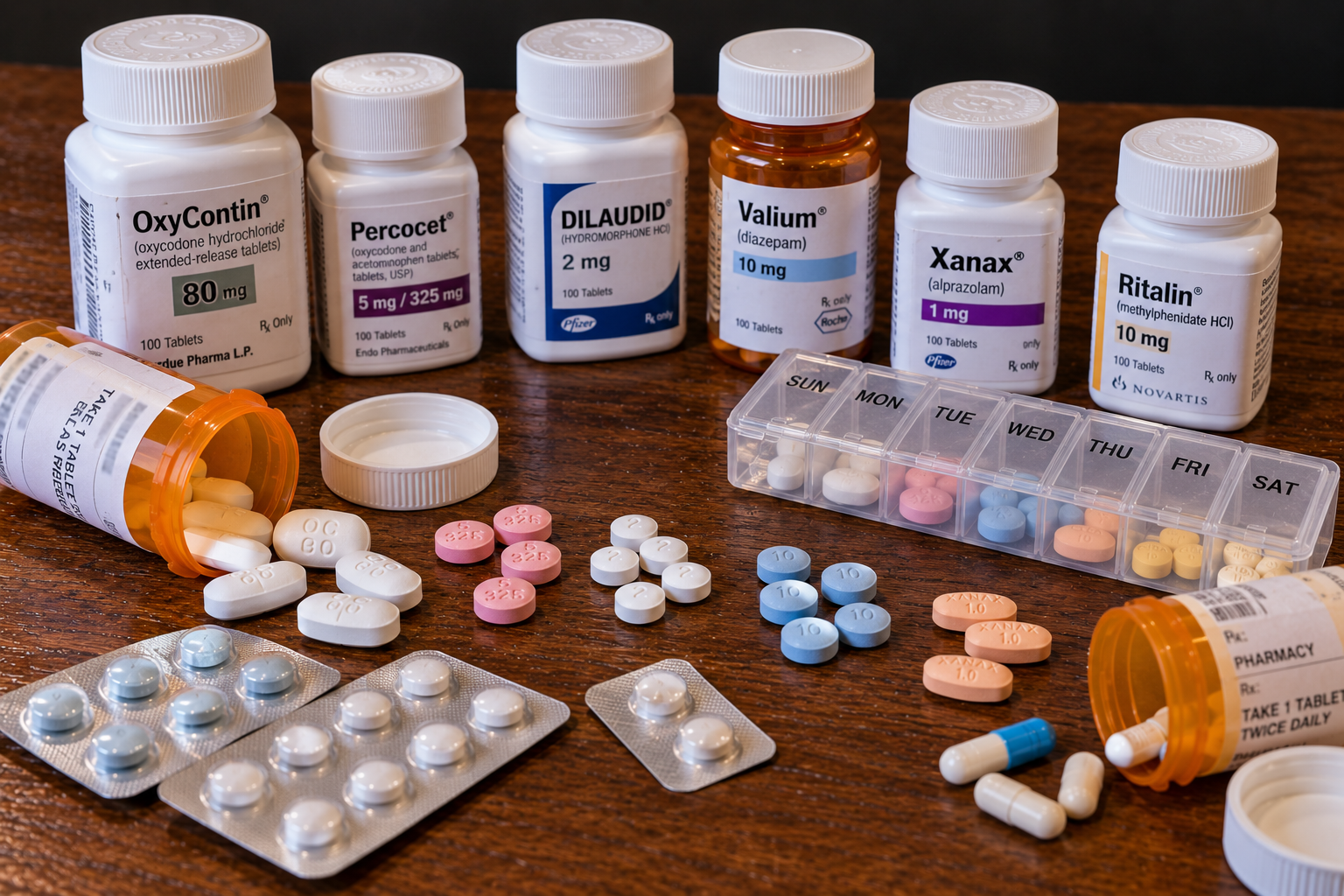
Prescription Pills and Medication Containers
Loose or unidentified pills, prescription bottles belonging to someone else, missing medications or unexpectedly empty containers may raise questions about prescription-drug misuse.
A tablet’s appearance cannot reliably establish what it contains. Counterfeit pills can closely resemble legitimate medications, making photographic identification unreliable.
Ordinary Household Objects
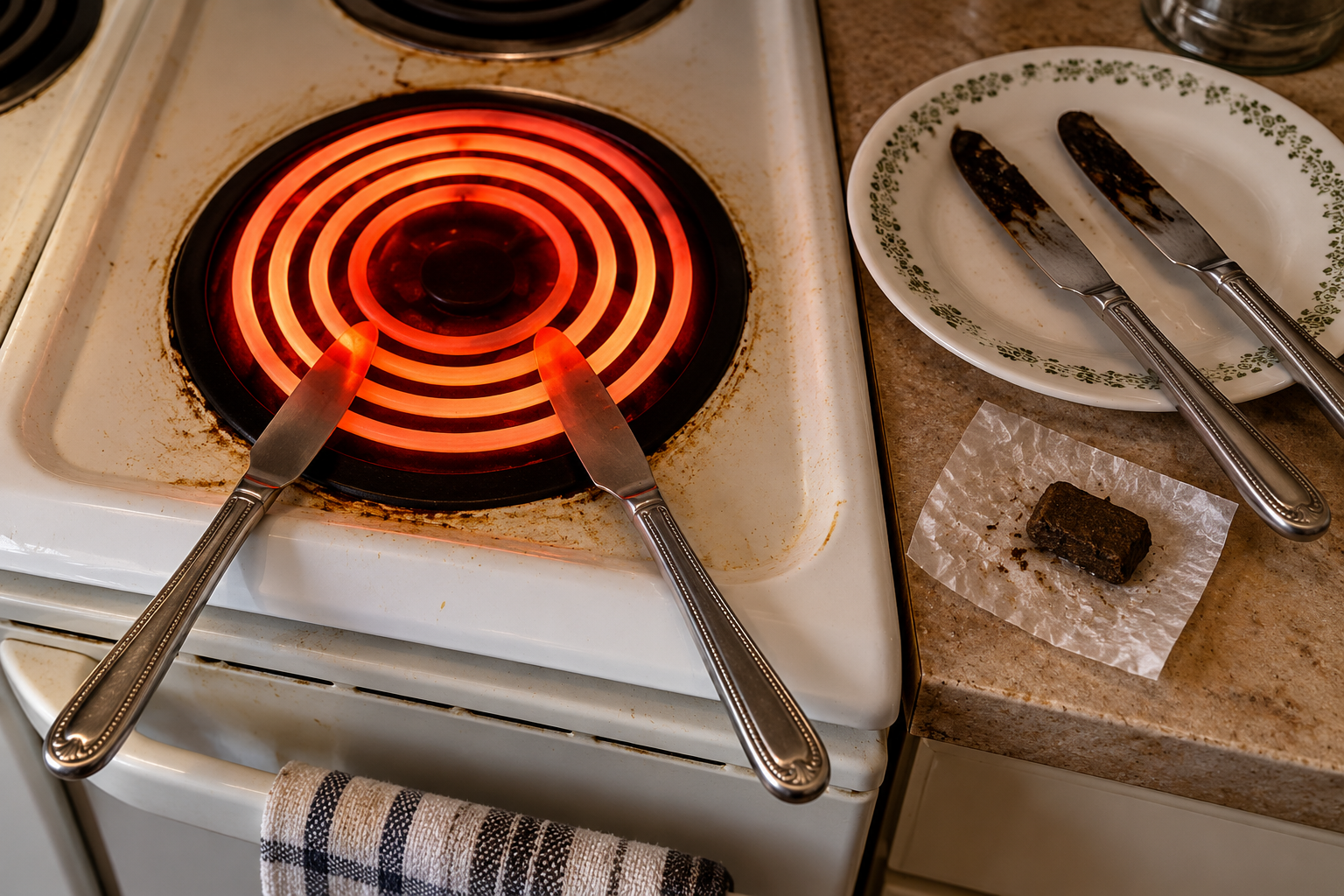
Household items such as foil, spoons, straws and kitchen knives can sometimes be altered or repurposed for drug use. Repeatedly finding objects that are burned, damaged, missing or associated with unexplained residue may be more significant than finding an ordinary object on its own.
In our family, Reggie’s use of kitchen knives for consuming hashish left some with burned or blackened ends. Our parents initially did not understand why the knives were disappearing or returning damaged. The illustrated page explains that experience in greater detail.
What If You Find an Unknown Substance?
Do not taste, closely smell, burn or experiment with an unknown powder, pill, liquid or other substance to identify it. Photographs, including those in this archive, cannot establish what an unknown substance contains.
If someone may have overdosed or is experiencing a medical emergency, contact emergency services immediately.
Look at the Larger Pattern
Recognizing possible paraphernalia is not about becoming an investigator. It is about deciding whether something deserves attention. Several unexplained objects, particularly when accompanied by changes in behaviour, finances, friendships or daily routines, may justify a conversation or professional advice.
For a broader checklist, see Warning Signs of Possible Drug Use. For photographs and more detailed explanations, consult Drug Paraphernalia & Warning Signs.