
Stimulants
Stimulants are a broad group of drugs that includes amphetamines, methamphetamine, cocaine and prescription medications such as Ritalin.
Cocaine played a significant and well-documented role in Reggie’s life and is covered in its own dedicated section of the archive. This page therefore focuses primarily on other stimulants, including methamphetamine and prescription stimulants, and on what can actually be established about their place in Reggie’s story.
On This Page:
Part 1 — Understanding Stimulants ·
Part 2 — Stimulants in Reggie’s Life ·
Part 3 — Selected Stories & Writings
Part 1 — Understanding Stimulants
Stimulants are drugs that increase activity in the brain and central nervous system. They can increase alertness, energy and attention while also raising heart rate and blood pressure.
Some stimulants are prescribed as medications, while others are produced and sold illegally.
Cocaine is also a powerful stimulant, but because it played such a significant role in Reggie’s life, it is covered separately in the dedicated Cocaine section of this archive.
Methamphetamine
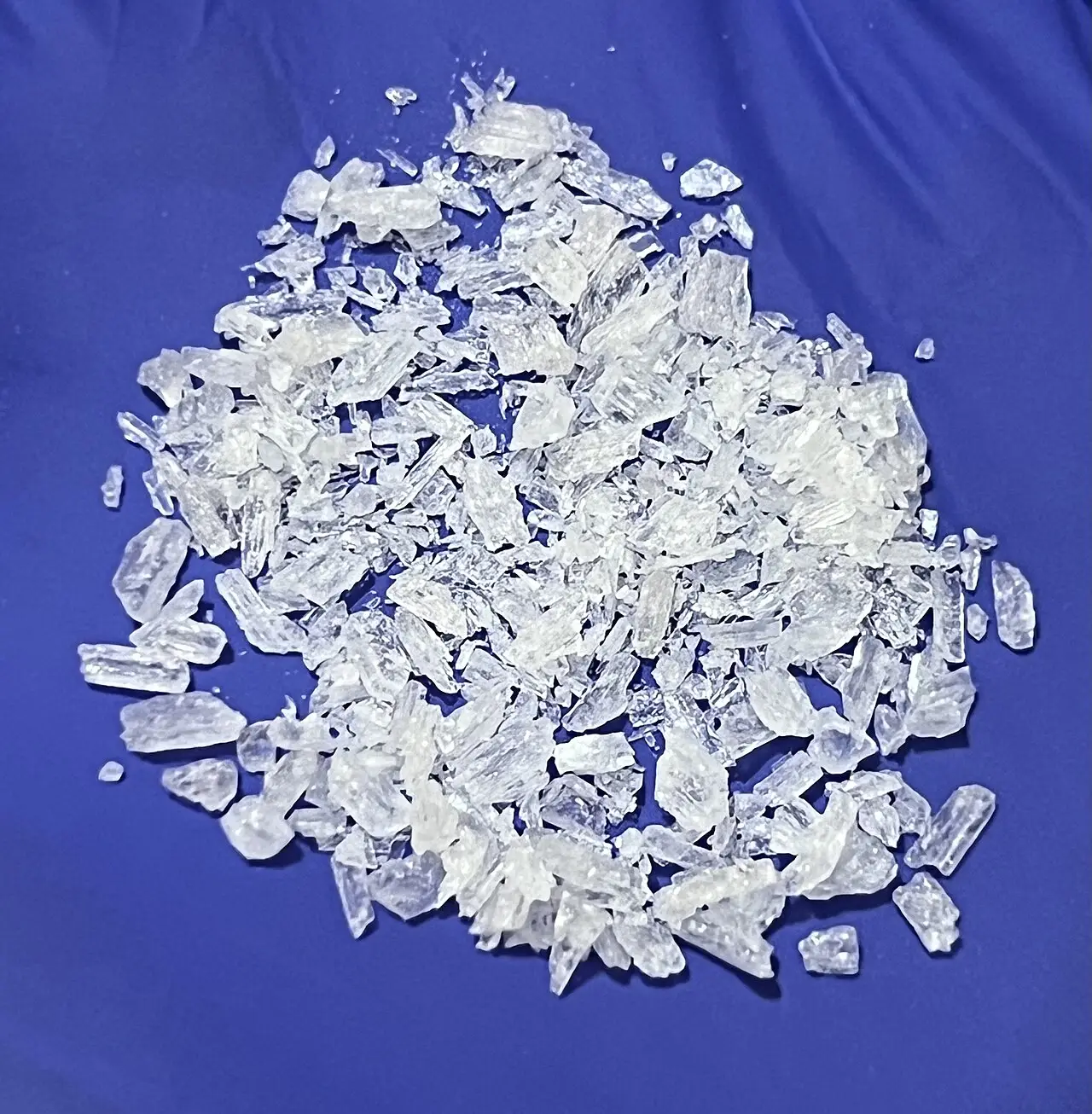
Methamphetamine, often shortened to meth, is a powerful stimulant. Illegally produced methamphetamine may appear as a powder or in crystalline form, commonly called crystal meth or ice.
Methamphetamine can be swallowed, snorted, smoked or injected. It can produce increased energy, alertness and feelings of confidence or euphoria while reducing appetite and the need for sleep.
With heavier or prolonged use, effects can include severe restlessness, agitation, anxiety, suspiciousness, confusion or paranoia. Remaining awake for extended periods can further intensify these effects.
Methamphetamine should not be confused with methadone. Despite their similar names, they are very different drugs. Methamphetamine is a stimulant; methadone is an opioid medication used for pain and in the treatment of opioid dependence.
Prescription Stimulants
Some stimulants are prescribed medically. One of the best known is methylphenidate (Ritalin), which is commonly prescribed for attention-deficit/hyperactivity disorder (ADHD).
Medical use should be distinguished from misuse. Taking a prescription stimulant in ways other than prescribed, or taking medication prescribed for someone else, can increase the risk of harmful effects.
Ritalin appears in Reggie’s story and is discussed in Part 2.
Effects and Risks
The effects of stimulants vary according to the drug, amount taken and individual circumstances. They can include:
- increased alertness and energy
- increased heart rate and blood pressure
- reduced appetite
- difficulty sleeping
- restlessness
- increased talkativeness
- anxiety or irritability
- sweating and tremors
At higher doses or with prolonged use, some stimulants can cause severe agitation, confusion, panic, suspiciousness or paranoia.
Repeated stimulant use can also lead to tolerance. When the effects wear off, some people experience a “crash” involving extreme tiredness, increased sleep, low mood, irritability, difficulty concentrating or strong cravings.
Stimulant Toxicity and Overdose
Taking too much of a stimulant can produce a medical emergency.
Warning signs can include severe agitation or confusion, a very rapid heart rate, chest pain, dangerously high body temperature, seizures, loss of consciousness or other severe changes in physical condition or behaviour.
A suspected stimulant overdose is a medical emergency. Call 9-1-1 or local emergency services immediately.
Part 2 — Stimulants in Reggie’s Life
Compared with cannabis, cocaine and opioids, there is relatively little evidence in Reggie’s surviving writings about his use of other stimulants.
Cocaine was clearly the most significant stimulant in his life, but because it is extensively documented, it is covered separately in the Cocaine section of the archive rather than repeated here.
Ritalin
Ritalin, the brand name for methylphenidate, appears in Reggie’s story. It is a prescription stimulant commonly used to treat attention-deficit/hyperactivity disorder (ADHD).
At present, the surviving material reviewed for this archive does not provide enough information to establish why Reggie had Ritalin, whether it had been prescribed to him, or the extent to which he used it.
For that reason, this archive records the reference without assuming circumstances that the available evidence does not establish.
Methamphetamine
Methamphetamine is included here because it is an important member of the stimulant drug family and is distinct from the other drugs documented in Reggie’s life.
At present, however, the surviving material reviewed for this archive does not establish that Reggie used methamphetamine.
What the Evidence Shows
Reggie’s history with cocaine is extensively documented. Ritalin appears in the surviving material, although the circumstances surrounding its use remain unclear. Methamphetamine use has not been established from the material reviewed so far.
The archive will preserve those distinctions rather than fill gaps in Reggie’s story with conclusions the available evidence cannot support.
Part 3 — Selected Stories & Writings
Stimulants other than cocaine do not appear extensively in Reggie’s surviving writings. The selections below provide broader context for the changing patterns of drug use throughout his life.
The History of Me
Reggie’s own timeline
Reggie’s year-by-year chronology helps place stimulant use within the broader progression of drugs and addiction throughout his life.
My Story
Reggie’s own account
My Story provides Reggie’s broader account of his life, drug use and addiction, including the periods in which different substances overlapped.
Explore More in the Archive
This page highlights selected material from the archive. Additional references may appear throughout Reggie’s writings, family recollections, documents and other stories. Use Search the Archive to explore this subject further.