
When Reggie Nearly Lost His Methadone
Editor’s Note: The following account was written by Reggie’s father. Reggie’s own words are identified where they appear.]
Reggie’s Father Remembers
In November 2005, Reggie was receiving methadone through the P.E.I. addictions program. His relationship with the people administering the program was not always easy. In one of his journals, Reggie wrote about a nurse:
“I hate her, I hate her, I hate her!”
One day in late November, I saw Reggie drive into the yard and go directly to the basement, as he looked very troubled. I followed him downstairs. He was sitting with both hands on his forehead and would not speak to me. I knew immediately that something was seriously wrong.
Helen came downstairs and Reggie finally told her that they were stopping his methadone.
As we understood it, the reason was a missed appointment. Friday was normally Reggie’s day to see the addictions staff in Charlottetown. They said they had told him that his appointment had been moved to Tuesday, but Reggie did not arrive until Friday.
For the next several days, both the Charlottetown and Souris addictions programs became involved. From our perspective, Reggie was under enormous pressure, and we could see the effect it was having on him. To us, it seemed that he could not exist without methadone.
At the time, we did not fully understand what that meant medically. We simply knew that the possibility of losing his methadone was having a profound effect on him.
Why Methadone Mattered
Methadone was being used to manage Reggie’s dependence on opioids. Taken as prescribed, it can prevent withdrawal and reduce cravings, allowing someone dependent on shorter-acting opioids such as heroin to achieve greater stability.
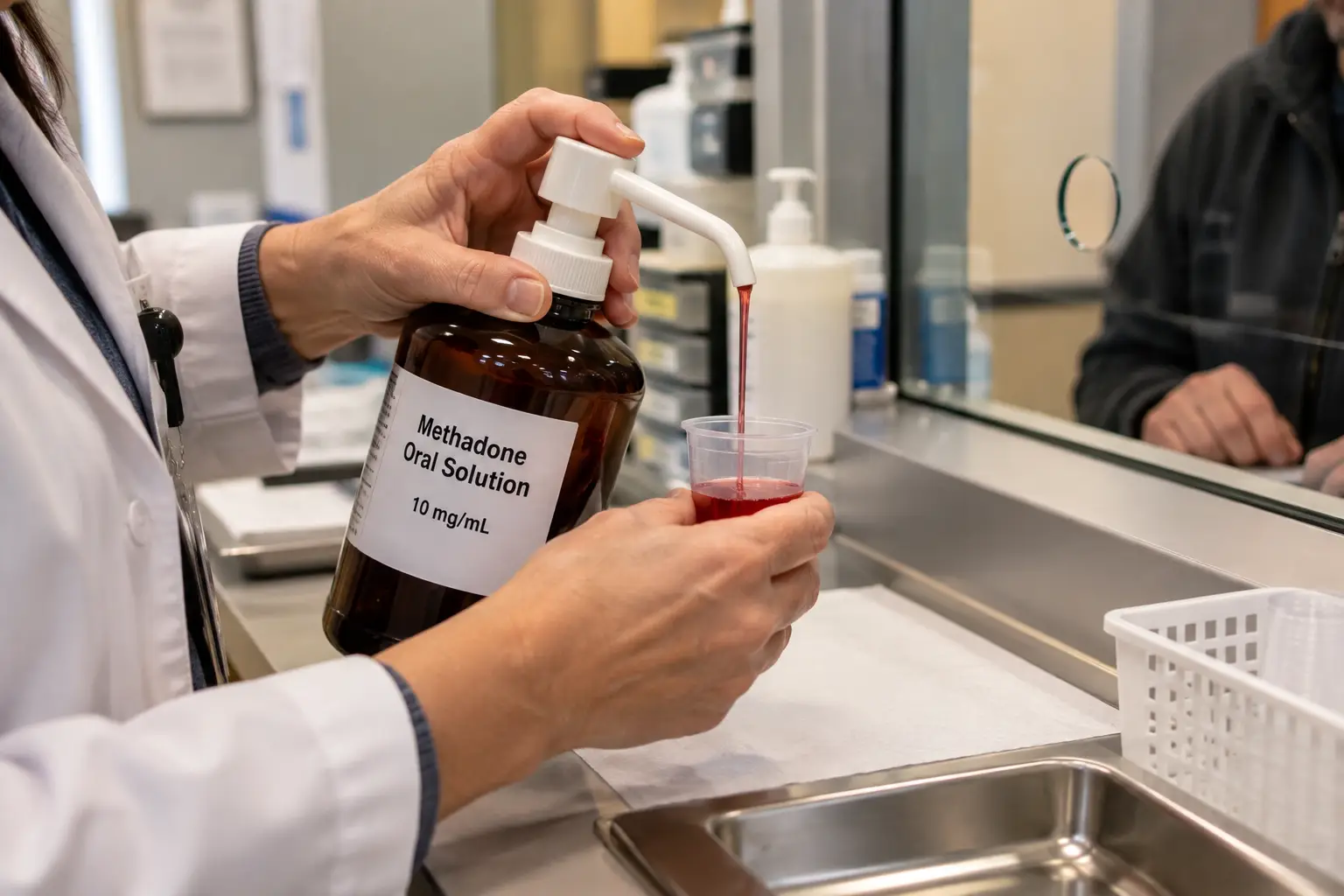
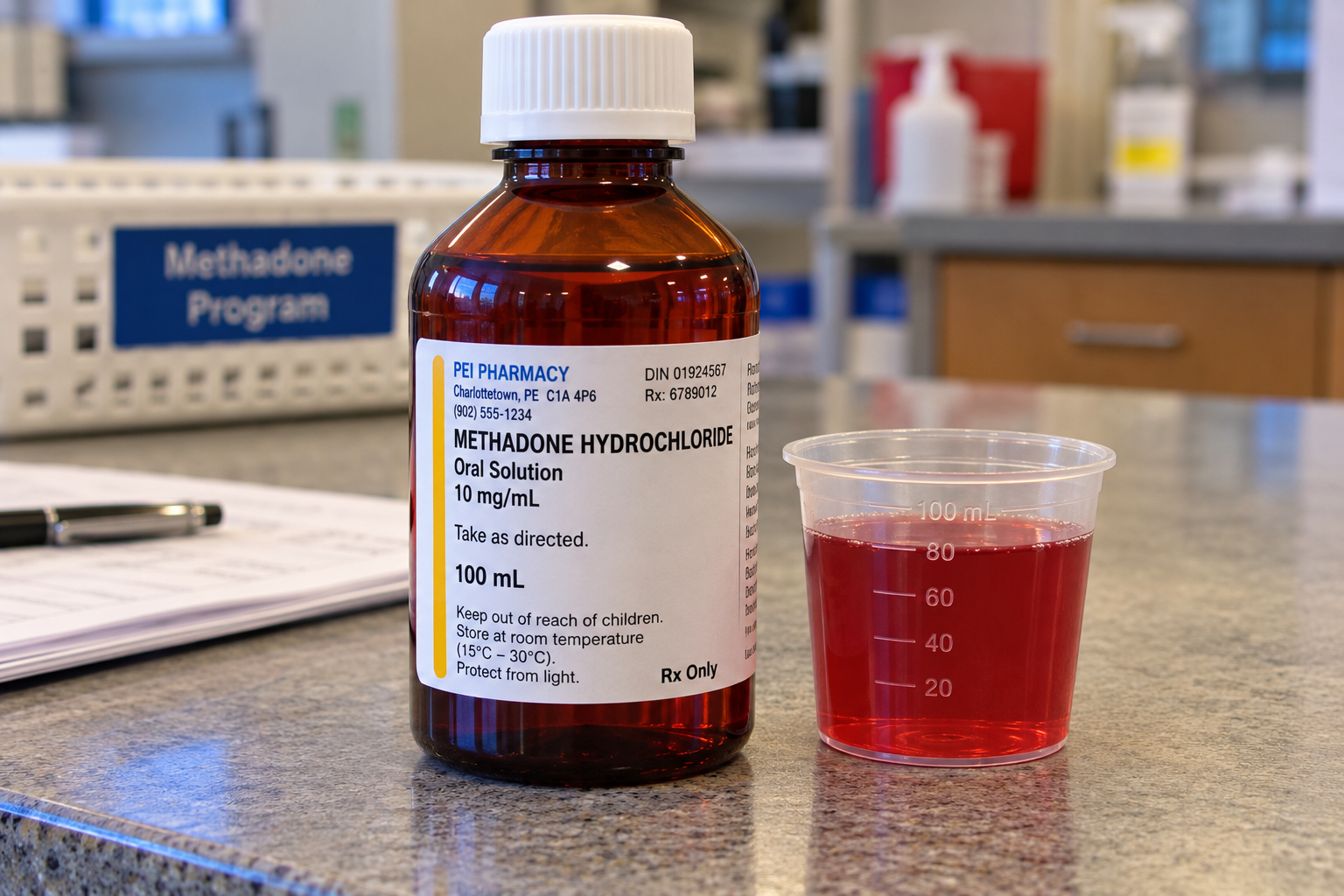
It does not, however, eliminate physical dependence. Abruptly stopping methadone can cause opioid withdrawal. At the time, our family did not understand the medical details; we simply saw how profoundly Reggie was affected by the possibility that his treatment might suddenly end.
We had also grown up hearing that methadone “did not get the addict high.” That was an oversimplification. Years later, Reggie’s writings showed that he sometimes used other drugs as well, so when he appeared intoxicated we cannot know from observation whether methadone, another substance, or a combination was responsible.
“Methadone Does Not Get the Addict High”
When we first learned about methadone, our understanding was fairly simple: it would prevent an opioid-dependent person from going into withdrawal without producing the high associated with heroin. For someone stabilized on an appropriate prescribed dose, that is essentially the goal of methadone treatment.
Methadone is still a powerful opioid, however, and it can be misused. Taking more than prescribed can cause intoxication and, at sufficiently high doses, dangerous respiratory depression or overdose. Combining it with other sedating drugs can increase those risks.
There were times when Reggie appeared intoxicated to us while receiving methadone. We cannot know from observation whether this resulted from methadone, another drug, or a combination of substances.
At the time, we simply knew that what we sometimes saw in Reggie did not seem to match what we had been told about methadone.
Six Vials of Methadone in the Basement
AAfter Reggie disappeared, we tore the basement apart looking for anything that might tell us what had happened or where he had gone.
During that search, we found six full bottles of methadone hidden in the basement, purchased the day before he left Ontario.
The discovery left us with a painful question. Had Reggie remembered those bottles and used his methadone instead of the drugs he took that day, might events have unfolded differently? Would he still have driven away that night?
We will never know. Like so many questions surrounding Reggie’s disappearance and death, it remains a what if?
Trying to Put the Drugs Out of Reach
Before travelling to Iceland, Reggie realized he was consuming his heroin supply faster than intended. He divided it into about thirty bags, burying them at locations ten, twenty and thirty miles from his house, hoping that making the heroin harder to reach would slow his use.
It didn’t work. Soon he was driving ten miles to retrieve it, then twenty. As Reggie wrote: “It doesn’t work that way.”
We cannot know whether hiding the methadone in the basement reflected similar thinking. But Reggie’s earlier attempt to put distance between himself and heroin illustrates how difficult it had become for him to control his drug use.
Living Between Treatment and Addiction
The methadone story illustrates something important about Reggie’s addiction. It was not always simply a choice between using drugs and not using drugs.
At times, he was trying to stay away from heroin while relying on methadone to prevent withdrawal. He could understand what drugs were doing to his life and still be unable to stop seeking them.
Those contradictions appear repeatedly in Reggie’s writings and are an important part of understanding his addiction.